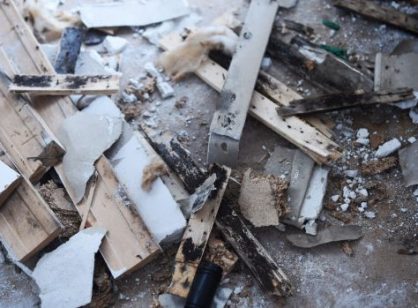
Whether you are concerned about dust, mould, chemicals or general indoor air pollutants we have the equipment and expertise to conduct indoor air quality testing to ensure a healthy working or living environment.
As Building Biologists we understand how air conditioning systems, building design, building materials and other factors can affect the indoor air quality. We are able to advise on potential indoor air pollution sources as well as simple solutions to ensure clean and healthy indoor environments.

Dust Particulate Air Sampling
Dust sampling can be conducted by using calibrated meters that provide an instant result or by utilising calibrated pumps that draw in air onto filter paper at a specific flow rate over a specific period of time. Read More
VOC and Formaldehyde Monitoring
It is always important to identify what might be the substance that is causing the problem before specific air testing can be conducted. Generally, in new homes and commercial buildings or newly renovated homes. Read More
General Indoor Air Quality Testing
Building Biologists study what aspects of a building may have the potential to make the occupants sick (Sick Building Syndrome). We work very closely with health practitioners to help determine what environmental… Read More
Mould Inspection and Mould Testing
Black mould is probably the most common indoor air quality concern from the public at large. Black mould is not necessarily one type of mould only (often referred to as Stachybotrys on many internet sites) and may… Read More
Other Specific Air Pollutant Testing
It is often required that a very specific air pollutant be air sampled. This requires research into the methodology required to sample for the specific air pollutant and then ensuring that laboratories are able to accurately… Read More

Latest Air Testing Articles
Building Biologist article in Herald Sun – Mould: Is it making you sick
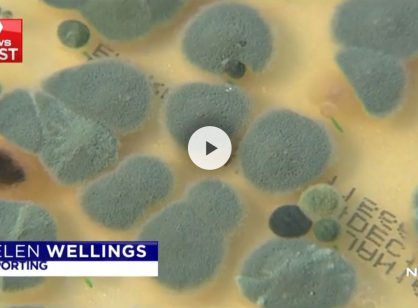
Sydney in the grip of a mould exposure – Channel 7 News